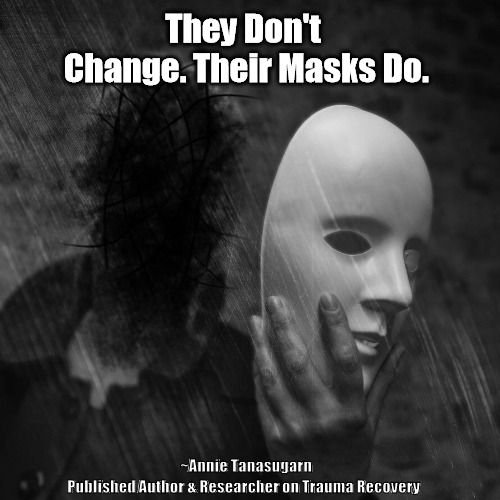
At first glance, narcissists often appear confident, charming, and in complete control. They know how to impress people, gain admiration, and create the illusion of being exceptional. Behind that carefully crafted image, however, lies a fragile sense of self that depends heavily on validation, attention, and control over others. As long as they can maintain this illusion, they continue to attract admiration and manipulate the people around them.
But time changes everyone. Beauty fades, social influence shifts, careers end, and relationships become harder to control. For narcissists, these natural changes can trigger a psychological crisis. The very qualities they relied upon for years begin to disappear, making it increasingly difficult to maintain the image they spent a lifetime protecting.
This doesn’t mean every older adult with narcissistic traits becomes abusive or bitter. Personality exists on a spectrum, and people can grow and change throughout life. However, when narcissistic behaviors remain untreated, ageing often exposes vulnerabilities that were once hidden beneath confidence and charm.
Understanding this process is not about celebrating another person’s struggles. It is about recognizing unhealthy patterns so that victims of emotional manipulation can protect themselves, establish healthy boundaries, and move forward with greater clarity.
Table of Contents
Why Ageing Is So Difficult for Narcissists
People with strong narcissistic tendencies often build their identity around external validation. Compliments, admiration, professional success, physical appearance, social status, or the ability to influence others become the foundation of their self-worth.
As the years pass, many of these external sources naturally become less reliable.
Retirement may reduce professional status. Physical appearance changes with age. Social circles become smaller. Younger competitors emerge. Relationships become more difficult to maintain as people begin recognizing long-standing patterns of manipulation.
For emotionally healthy individuals, these life transitions can become opportunities for personal growth and deeper relationships. For someone who depends almost entirely on external admiration, however, these changes may feel like a direct threat to their identity.
Rather than adapting, some narcissists respond with increased defensiveness, resentment, or manipulation in an attempt to regain the control they feel they are losing.
The Search for “Narcissistic Supply”
Psychologists often use the term narcissistic supply to describe the attention, admiration, praise, or emotional reactions that reinforce a narcissist’s fragile self-image.
This supply doesn’t always come through compliments.
It may come from being feared.
It may come from creating conflict.
It may come from controlling another person’s emotions.
It may even come from playing the victim.
As people become more aware of manipulation or distance themselves from unhealthy relationships, obtaining this supply becomes increasingly difficult. Some narcissists may therefore reconnect with former partners, family members, or friends—not necessarily because they have changed, but because they are searching for familiar sources of validation.
When Old Relationships Suddenly Reappear
Many survivors of narcissistic relationships are surprised when an old partner unexpectedly reaches out after months or even years of silence.
The message often sounds emotional:
“I’ve been thinking about you.”
“I’ve never stopped loving you.”
“Nobody understands me like you.”
While genuine reconciliation is possible in some relationships, repeated patterns of manipulation deserve careful attention.
Sometimes these messages are less about rebuilding a healthy connection and more about testing whether emotional control still exists.
Mental health professionals often describe this behavior as hoovering—an attempt to pull someone back into a relationship after they have begun moving on.
The most effective response is usually not emotional confrontation but healthy boundaries, self-awareness, and careful evaluation of consistent actions rather than persuasive words.
Why Manipulation Often Becomes More Obvious
Maintaining a false image requires tremendous emotional energy.
For years, some narcissists successfully present themselves as caring partners, supportive friends, or exceptional colleagues while privately engaging in manipulation behind closed doors.
As stress increases and emotional resources decline with age, maintaining that carefully managed image can become more difficult.
Small behaviors begin revealing larger patterns.
Passive-aggressive comments become more frequent.
Criticism becomes less subtle.
Empathy becomes increasingly difficult to fake.
Attempts to control others become more obvious.
The mask that once appeared convincing begins slipping more often, allowing family members and close friends to recognize behaviors they may have overlooked for years.
Emotional Manipulation Doesn’t Disappear With Age
Age alone does not transform unhealthy relationship patterns.
Instead, manipulation may simply change form.
Some individuals rely more heavily on guilt.
Others portray themselves as misunderstood victims.
Some use illness or vulnerability to maintain emotional control.
Others repeatedly remind family members of everything they have sacrificed in order to create feelings of obligation.
These behaviors can be particularly confusing because they are often mixed with genuine moments of vulnerability. Recognizing manipulation requires paying attention to consistent behavioral patterns rather than isolated incidents.
The Importance of Boundaries
One of the most difficult lessons survivors learn is that compassion and boundaries can exist together.
You can acknowledge someone’s emotional struggles without allowing them to control your life.
You can forgive without returning to an unhealthy relationship.
You can care about another person’s well-being while still protecting your own mental health.
Healthy boundaries are not acts of cruelty. They are acts of self-respect.
The Real Victory Is Healing
Many people hope that one day the narcissist will finally understand the pain they caused.
Sometimes that happens.
Often it does not.
Waiting for accountability can keep survivors emotionally connected long after the relationship has ended.
Real healing begins when attention shifts away from changing another person and toward rebuilding your own life.
That means reconnecting with supportive relationships, rebuilding self-confidence, seeking professional therapy when needed, developing healthier boundaries, and creating a future that is no longer defined by manipulation or emotional control.
Final Thoughts
Age changes every person, but it does not automatically change personality. For individuals with strong narcissistic traits, growing older may expose the insecurity that was hidden beneath years of confidence, charm, and control. As external validation becomes harder to maintain, manipulation may become more visible, relationships may become more unstable, and long-standing behavioral patterns often become increasingly difficult to hide.
For those who have experienced narcissistic abuse, understanding these psychological dynamics can be deeply empowering. It reminds us that another person’s inability to change is not our responsibility to fix. The healthiest path forward is not waiting for their transformation but investing in our own healing, emotional freedom, and personal growth.
The greatest victory is never watching someone else’s mask fall. It is reaching the point where their mask no longer has the power to affect your life.