Table of Contents
- 1 The Hidden Physical Effects of Living Under Constant Pressure
- 2 What Happens to Your Body When You Feel Stressed?
- 3 Chronic Stress Can Affect Your Heart
- 4 Your Sleep May Be One of the First Things Stress Disrupts
- 5 Chronic Stress Can Affect Your Digestive System
- 6 Your Immune System Can Be Affected by Long-Term Stress
- 7 Chronic Stress Can Keep Your Muscles Tense
- 8 Stress Can Change Your Appetite and Eating Habits
- 9 Your Brain Can Feel the Effects Too
- 10 Chronic Stress Can Change Your Mood
- 11 Stress Can Change the Way You Behave
- 12 Chronic Stress Can Become a Cycle
- 13 Chronic Stress Can Affect Your Relationships
- 14 Not All Stress Can Be Removed
- 15 What You Can Do to Reduce the Effects of Chronic Stress
- 16 Learn to Recognize Your Personal Stress Signals
- 17 When Should You Seek Professional Help?
- 18 A Simple Daily Approach to Stress Management
- 19 The Most Important Lesson About Chronic Stress
- 20 Conclusion
- 21 Frequently Asked Questions
The Hidden Physical Effects of Living Under Constant Pressure
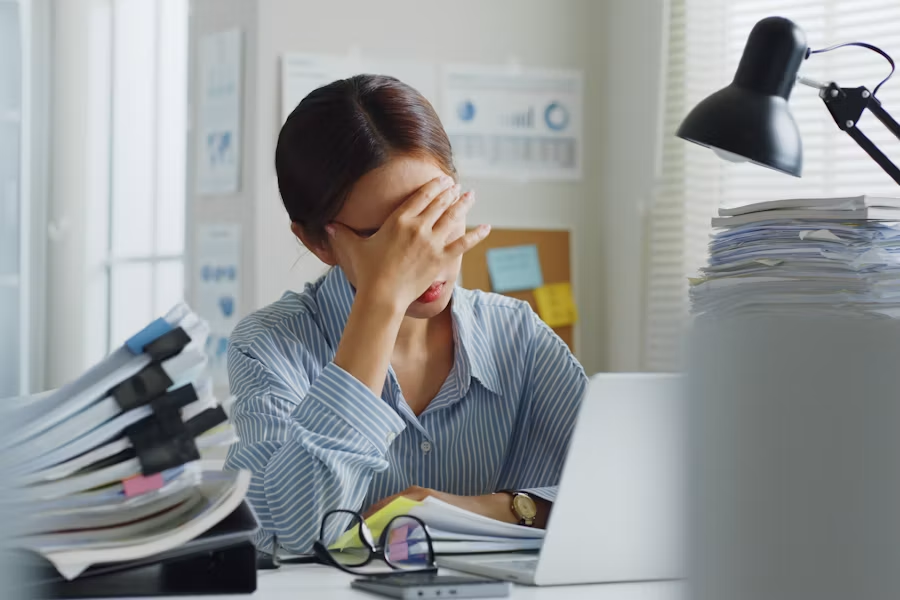
Stress is a normal part of life. A difficult conversation, an important deadline, financial pressure, family problems, or an unexpected event can all trigger a stress response that helps you react quickly. The problem begins when stress stops being temporary and becomes a constant part of your everyday life. When your body feels as if it is always under pressure, it may remain in a state of heightened alertness even when there is no immediate danger. Over time, chronic stress can affect many systems throughout the body, including your heart, immune system, digestive system, muscles, sleep, mood, and brain.
Many people become so accustomed to feeling stressed that they stop recognizing it as a problem. They may wake up tired, experience frequent headaches, have trouble sleeping, feel tense throughout the day, become easily irritated, or notice changes in their appetite and digestion. These symptoms can seem unrelated, but chronic stress can be one factor connecting them. Understanding what prolonged stress can do to the body is important because it allows you to recognize warning signs earlier and make changes before unhealthy stress becomes a permanent part of your lifestyle.
What Happens to Your Body When You Feel Stressed?
When your brain detects a threat or challenge, your body activates its stress response. This involves hormones such as adrenaline and cortisol, which help prepare you to respond. Your heart rate can increase, your muscles become more alert, your breathing may become faster, and your body temporarily shifts resources toward dealing with the perceived threat.
This response is useful when it happens for a short period. If you suddenly need to avoid danger or respond to an emergency, these physical changes can help you act quickly. Once the stressful situation passes, your body is designed to gradually return to a calmer state.
Chronic stress is different because the stressful signals may continue for weeks, months, or even years. Instead of getting enough opportunities to recover, your body may repeatedly activate its stress response. This does not mean that every person experiencing chronic stress will develop a specific disease, but prolonged stress can contribute to physical and psychological problems and can make existing health challenges harder to manage.
Chronic Stress Can Affect Your Heart
One of the most important reasons to take chronic stress seriously is its relationship with cardiovascular health. Stress can temporarily increase heart rate and blood pressure, and repeated or prolonged stress may contribute to unhealthy cardiovascular patterns.
When you are constantly under pressure, you may also develop behaviors that indirectly affect your heart. You might become less physically active, sleep poorly, eat more highly processed foods, smoke, drink more alcohol, or rely heavily on caffeine. These behaviors can compound the effects of stress and make it harder for your body to recover.
Managing stress does not replace medical treatment for high blood pressure, heart disease, or other cardiovascular conditions. However, reducing unnecessary chronic stress can be an important part of a broader healthy lifestyle.
Your Sleep May Be One of the First Things Stress Disrupts
Stress and sleep have a complicated relationship. Stress can make it difficult to fall asleep, cause you to wake during the night, or leave your mind racing when you should be resting. Poor sleep can then make you more emotionally reactive and less capable of handling the next day’s challenges.
This can create a frustrating cycle. You experience stress, sleep poorly, wake up exhausted, struggle to concentrate, become more irritable, and then feel even more overwhelmed by ordinary responsibilities. Over time, the problem may begin to feel normal even though your body is not getting the recovery it needs.
Creating a consistent sleep schedule, reducing stimulating activities before bed, keeping your sleeping environment comfortable, and giving yourself time to unwind can help. If persistent stress or anxiety is regularly preventing you from sleeping, speaking with a healthcare professional can be worthwhile.
Chronic Stress Can Affect Your Digestive System
Have you ever noticed your stomach feeling uncomfortable when you are nervous? The brain and digestive system communicate constantly, which is one reason emotional stress can produce physical digestive symptoms.
During periods of stress, some people experience changes in appetite, stomach discomfort, nausea, bloating, constipation, or diarrhea. Stress may also influence existing digestive problems in some individuals. The relationship is not identical for everyone, but it is common for emotional strain and digestive symptoms to appear together.
This is another reason not to dismiss recurring physical symptoms as simply being “in your head.” Stress can produce real physical changes. At the same time, persistent digestive symptoms should not automatically be blamed on stress because infections, medications, food intolerances, and medical conditions can cause similar problems.
Your Immune System Can Be Affected by Long-Term Stress
Your immune system is constantly working to protect you from illness and maintain balance inside the body. Short-term stress can temporarily change immune activity, but prolonged stress can interfere with normal immune regulation.
People experiencing long-term stress may also be more likely to neglect basic health habits. They may sleep less, eat poorly, exercise less, or avoid medical appointments because they feel overwhelmed. These lifestyle changes can make it harder to maintain good health.
If you seem to be getting sick frequently or feel physically run down for an extended period, stress may be one factor worth considering, but it is important to look at the bigger picture rather than assuming stress is the only explanation.
Chronic Stress Can Keep Your Muscles Tense
Your body naturally prepares your muscles for action when you feel threatened. This can be useful during a short stressful event, but constantly carrying physical tension can become uncomfortable.
Some people notice tight shoulders, jaw clenching, neck stiffness, back discomfort, or tension headaches during stressful periods. You may not even realize how tense you are until you deliberately relax your shoulders or unclench your jaw.
Simple habits such as stretching, walking, changing positions during the day, taking slow breaths, and practicing progressive muscle relaxation may help reduce physical tension. If pain is persistent, severe, or unexplained, it should be evaluated rather than automatically attributed to stress.
Stress Can Change Your Appetite and Eating Habits
Stress does not affect everyone’s appetite in the same way. Some people lose their appetite when they are overwhelmed, while others eat more frequently, particularly highly rewarding foods.
The issue is not that eating comfort food occasionally is inherently unhealthy. The concern is when stress consistently drives eating patterns that leave you feeling worse physically or emotionally.
A practical approach is to avoid trying to completely control your diet during stressful periods. Instead, make healthy choices easier. Keep nutritious foods available, eat regular meals when possible, drink enough water, and avoid using food as your only coping mechanism. Small improvements can be much more sustainable than extreme restrictions.
Your Brain Can Feel the Effects Too
Chronic stress is not only a physical problem. Your brain is deeply involved in the stress response, and prolonged stress can affect concentration, memory, motivation, emotional regulation, and your ability to make decisions.
You may notice that simple tasks feel harder when you are overwhelmed. You might forget appointments, struggle to focus on conversations, constantly switch between tasks, or feel mentally exhausted after relatively ordinary responsibilities.
This does not mean that chronic stress permanently damages everyone’s brain. The brain is adaptable, and improving sleep, physical activity, social connection, relaxation, and overall health can support better functioning. But persistent cognitive changes should not simply be ignored.
Chronic Stress Can Change Your Mood
One of the most noticeable effects of chronic stress is often emotional. Constant pressure can leave you feeling impatient, frustrated, anxious, emotionally exhausted, or unusually sensitive.
When your mental resources are already being consumed by stress, small problems can feel much larger than they normally would. A minor inconvenience may become the final thing that pushes you over the edge. You may also withdraw from people because you feel you do not have enough energy to communicate.
This can create another cycle. Stress affects your mood, your mood affects your relationships, relationship problems create additional stress, and the cycle continues.
Stress Can Change the Way You Behave
Chronic stress can gradually change everyday behavior. You may stop exercising because you are too tired. You may spend more time scrolling on your phone because it provides temporary distraction. You may avoid difficult conversations, work longer hours, isolate yourself, or rely on unhealthy habits to relax.
These behaviors often make sense in the short term because your brain is looking for immediate relief. The problem is that short-term relief does not always produce long-term recovery.
One of the most useful questions to ask yourself is not simply, “How can I stop feeling stressed?” but, “What am I doing to cope with stress, and is it actually helping me recover?”
Chronic Stress Can Become a Cycle
Stress often becomes self-reinforcing. You feel overwhelmed, so you sleep less. Because you slept less, you have less energy. Because you have less energy, you exercise less and become less productive. Falling behind creates more pressure, which makes it harder to sleep.
Breaking this cycle does not require changing your entire life overnight. Sometimes the most effective starting point is choosing one part of the cycle and improving it.
For example, going for a 20-minute walk may improve your mood and make it easier to sleep. Better sleep may improve your energy the next day. More energy may make healthy meals and physical activity easier. These small changes can gradually make the stress cycle less powerful.
Chronic Stress Can Affect Your Relationships
Stress does not stay inside your body. It can influence how you communicate with the people around you.
When you are mentally exhausted, you may become less patient, more defensive, or less emotionally available. You may interpret neutral comments negatively or react strongly to situations that normally would not bother you.
This does not mean stress excuses hurtful behavior. Instead, recognizing the connection can help you respond differently. Sometimes telling someone, “I’ve been under a lot of pressure lately, and I don’t want that to affect how I treat you,” can open the door to a healthier conversation.
Strong relationships can also be protective. Talking with trusted people, spending meaningful time with others, and asking for support can make difficult periods easier to manage.
Not All Stress Can Be Removed
One of the biggest mistakes people make is believing they need a completely stress-free life to be healthy. That is unrealistic.
Work deadlines, family responsibilities, financial uncertainty, illness, parenting, relationships, and major life changes can all create legitimate stress. The goal is not to eliminate every stressful situation. The goal is to prevent stress from becoming your body’s permanent operating mode.
Learning how to recover is just as important as learning how to perform.
What You Can Do to Reduce the Effects of Chronic Stress
You do not need an expensive wellness program to begin managing stress. Start with the basics that your body already needs. Aim for regular sleep, consistent physical activity, nutritious meals, enough fluids, meaningful social connection, and periods of genuine rest.
Movement can be especially useful because it gives your body a healthy outlet for physical tension and can support mood and sleep. You do not necessarily need intense workouts. Walking, cycling, stretching, swimming, strength training, or another activity you genuinely enjoy can be a good starting point.
It is also important to create moments during the day when you deliberately slow down. A few minutes of slow breathing, sitting quietly without your phone, spending time outside, listening to music, praying or meditating if that fits your beliefs, or talking with someone you trust can give your mind an opportunity to step away from constant stimulation.
Learn to Recognize Your Personal Stress Signals
Everyone experiences stress differently. For one person, the first sign may be insomnia. For another, it may be headaches, irritability, overeating, jaw tension, racing thoughts, or withdrawing from friends.
Learning your personal warning signs can help you act earlier.
For example, if you notice that you become unusually impatient whenever you have several nights of poor sleep, that is useful information. If you notice that you stop exercising whenever your workload increases, you can plan shorter workouts rather than abandoning movement completely.
The earlier you recognize the pattern, the easier it may be to interrupt it.
When Should You Seek Professional Help?
Sometimes lifestyle changes are not enough. If stress is interfering significantly with your sleep, work, relationships, daily functioning, or ability to care for yourself, consider talking with a qualified healthcare or mental health professional.
You should also seek medical attention for concerning physical symptoms rather than assuming they are caused by stress. Chest pain, severe or sudden shortness of breath, fainting, severe headaches, or other serious symptoms require appropriate medical evaluation.
Professional support is not a sign that you have failed to manage your life. Sometimes the healthiest response to prolonged stress is recognizing that you do not have to handle everything alone.
A Simple Daily Approach to Stress Management
A realistic stress-management routine does not have to take hours. In the morning, try to start the day without immediately overwhelming yourself with notifications and stressful information. During the day, take brief movement breaks, eat regular nutritious meals, and notice when your body begins holding tension.
In the evening, give yourself a transition period between responsibilities and sleep. Reduce unnecessary stimulation, prepare for the next day, and allow your mind to slow down. If worries repeatedly appear at bedtime, writing them down can sometimes help separate problems that need action from thoughts that simply need to be acknowledged.
The goal is not perfection. The goal is to give your body repeated opportunities to return to a calmer state.
The Most Important Lesson About Chronic Stress
Chronic stress is easy to underestimate because it often develops gradually. You may not notice one dramatic change. Instead, you notice that you are sleeping a little worse, feeling more tired, becoming more impatient, eating differently, exercising less, and struggling to concentrate. Eventually, these changes can begin to feel like your normal personality or normal life.
But constant exhaustion is not something you should automatically accept as normal.
Your body is designed to respond to stress, but it also needs recovery. Taking stress seriously does not mean avoiding responsibility or running away from difficult situations. It means recognizing that your physical and mental health are part of your ability to handle those situations.
Sometimes the healthiest thing you can do is not work harder, push yourself further, or simply “tough it out.” Sometimes it is giving your body and mind the chance to recover.
Conclusion
Chronic stress can affect far more than your mood. Prolonged stress may influence sleep, digestion, cardiovascular health, muscle tension, immune function, appetite, concentration, emotional regulation, relationships, and everyday behavior. The effects can build gradually, which is why recognizing the warning signs early is so important.
You cannot remove every source of stress from your life, and you do not need to. What you can do is build habits that help your body recover, identify unhealthy patterns before they become permanent, maintain supportive relationships, and seek professional help when stress becomes difficult to manage on your own.
Your body is constantly responding to the environment around you. If your life has been demanding for a long time, giving yourself time to recover is not laziness. It is part of taking care of your health.
Frequently Asked Questions
What is chronic stress?
Chronic stress is prolonged or repeated stress that continues over an extended period. Unlike short-term stress, the body may have fewer opportunities to return fully to a relaxed state.
Can chronic stress make you physically sick?
Chronic stress can contribute to physical symptoms and may affect several body systems. However, physical symptoms should not automatically be blamed on stress because many medical conditions can produce similar symptoms.
Can stress affect sleep?
Yes. Stress can make it difficult to fall asleep, contribute to waking during the night, or leave your mind active when you are trying to rest. Poor sleep can then make stress harder to manage.
Can exercise help with chronic stress?
Regular physical activity can support mood, sleep, cardiovascular health, and overall well-being. Even moderate activities such as walking can be useful, especially when performed consistently.
How can I reduce chronic stress naturally?
Start with basic habits such as consistent sleep, regular movement, nutritious meals, social connection, relaxation, and taking meaningful breaks from constant stimulation. If stress remains overwhelming, professional support can be helpful.
When should I talk to a doctor about stress?
Consider professional help when stress is persistent or significantly affecting your sleep, work, relationships, daily functioning, or physical health. Serious or unusual physical symptoms should also receive appropriate medical evaluation.